Table of Contents
Breaking into the world of post production audio takes more than technical know-how – it requires artistic flexibility, workflow efficiency, and a resilient mindset when high-stakes deadlines loom.
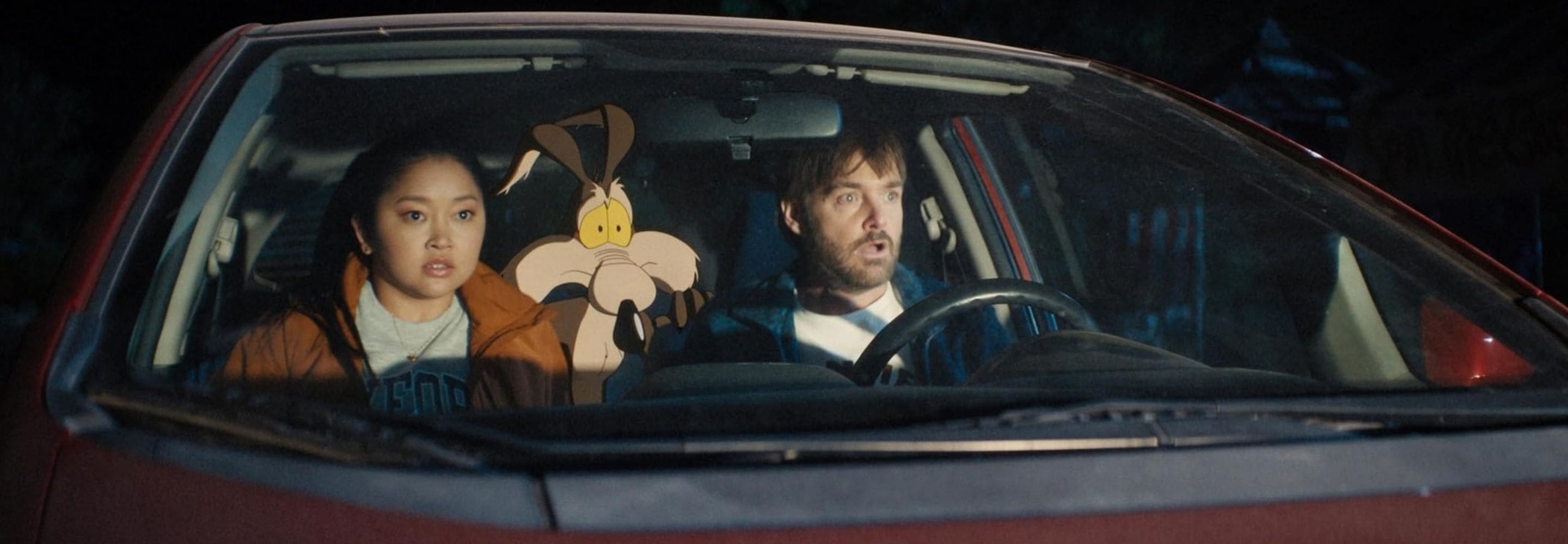
When classic Looney Tunes animation collides with a live-action world, as seen in the recently released film Coyote vs. Acme, re-recording mixer Chris Burdon was tasked with crafting a mix that bridges two distinct sonic realities. Balancing real-world acoustics with cartoon logic requires precision and deep industry experience.
 Chris Burdon
1. Build a resilient mindset and master your software tools
Working on major studio films comes with time pressure and high expectations. For aspiring mixers looking to build a sustainable career, Chris emphasizes that developing the right attitude toward stress and technology is key to long-term success.
"Over the years I’ve realised that the people who tend to get on best are those who develop a robust attitude towards all aspects of the work," Chris explains. "For example, if you have some down time, learn your equipment as best as you can. When new technology comes along, learn it and try to stay positive about it. Rather than seeing stress as a problem, you learn over time that it’s just part of the job, particularly when you’re working on bigger films."
Chris notes that establishing total confidence with your DAW (Digital Audio Workstation) and processing tools directly leads to greater creativity under pressure.
"Learn as much as you can about your chosen workstation and keep on top of developments in plugins and other technology," Chris advises. "Establishing confidence with your tools really does lead to greater creativity in your work... Try to develop the best attitude you can towards the job. Enjoy the good times, learn from the difficult ones, and don’t get too despondent when you get rejected or things don’t go as well as you’d hoped."
Avoiding the trap of perfection
When working against tight delivery schedules, knowing when a scene hits the right balance is just as crucial as technical accuracy.
"Try to develop a good sense of the difference between spending a sensible amount of time on the mixing process and getting bogged down trying to achieve 'perfection,'" Chris notes. "That definitely becomes easier as you build up your experience and develop confidence in your decisions. Aspiring mixers will probably have to put in some extra hours along the way, but you have to trust that, with experience, the process will become easier and faster."
2. Ground cartoon logic inside live-action acoustics
Mixing a hybrid live-action and animated film presents a unique creative balance. While post-recording character audio must integrate seamlessly with location production sound, animated characters existing in a physical room give sound teams room to push creative boundaries.
"Because the animated characters 'exist' within the live-action environment, you have a certain licence to exaggerate the sound around them," Chris shares. "That can apply to the dialogue as well as the sound design, and it gives you an opportunity to push certain elements beyond what you might normally do in a conventional live-action film."
The mix stage becomes an exercise in threading the needle: keeping the physical environment believable while giving animated elements room to explode.
"The interesting part of the mix was finding that balance – keeping the live-action world feeling believable and grounded, while allowing the dialogue and sound design around the cartoon characters to have that heightened, larger-than-life quality," Chris says. "The sound needs to feel as though it belongs to the same world, but it doesn’t necessarily have to obey all the same rules."
3. Anchor physical comedy with detailed Foley and rhythmic editing
Because Wile E. Coyote is a non-verbal character, his emotional story arc and physical slapstick rely heavily on Foley, sound effects, and interaction with his surroundings. Instead of relying exclusively on vintage cartoon sounds, director Dave Green wanted to ensure the character felt tangible.
"Dave Green wasn’t particularly keen on going fully down the traditional cartoon sound-effects route," Chris explains. "He wanted to retain a sense of physicality and realism, while still using those more exaggerated cartoon effects to support the comedy. So it became quite a meticulous process of finding the right balance between realistic Foley and more stylised cartoon effects, depending on what the scene needed – whether that was comedy, physicality or something more emotional."
This collaboration required effects recording mixer Jonathan Rush, editor Carsten Kurpanek, and director Dave Green to closely align the sound effects with Steve Price’s musical score.
"The chase sequence is probably one that stands out," Chris says. "It’s edited so rhythmically that the sound effects can be timed incredibly precisely to the action and the comedy. There’s a great dynamic relationship between the effects and the music, and Steve Price’s score really comes into its own... It brings together so many of the great elements of the film – the visual comedy, the editing, the music and the sound."
Take control of your post-production audio workflow
Navigating complex feature film mixes requires technical precision, workflow preparation, and clear storytelling intent. Big thanks to Chris Burdon for taking the time to share his insights. His approach to balancing creative storytelling with real-world technical demands is a great reminder that mastering your tools and keeping a resilient mindset go hand in hand.
Whether you are balancing music against physical Foley or isolating production dialogue on a noisy set, having reliable audio post-production tools in your pipeline keeps you flexible on the mix stage. Explore how tools like iZotope RX can clean up dialogue, tame unwanted noise, and streamline your audio post-production workflow.