

10 ways to fix a bad mix
Every engineer knows the frustration of a mix that just isn’t working. It's a special kind of frustration when you've tweaked every knob and...

Every engineer knows the frustration of a mix that just isn’t working. It's a special kind of frustration when you've tweaked every knob and...

Mixing low end can be a challenge for engineers working in any genre. The goal is to manage bass frequencies so that they are present without overwhelming...
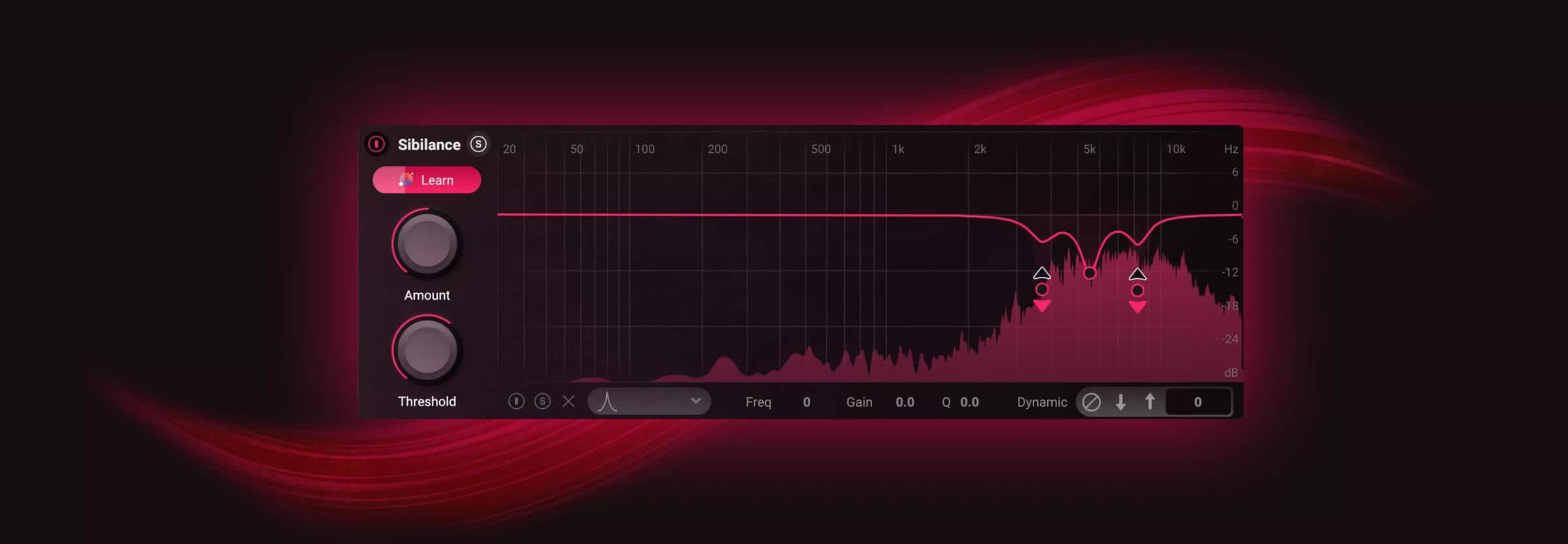
Vocals are a tricky business, especially when the singer is sibilant. Sibilance can be piercing, harsh, shrill, and generally unpleasant. Yet we often need...
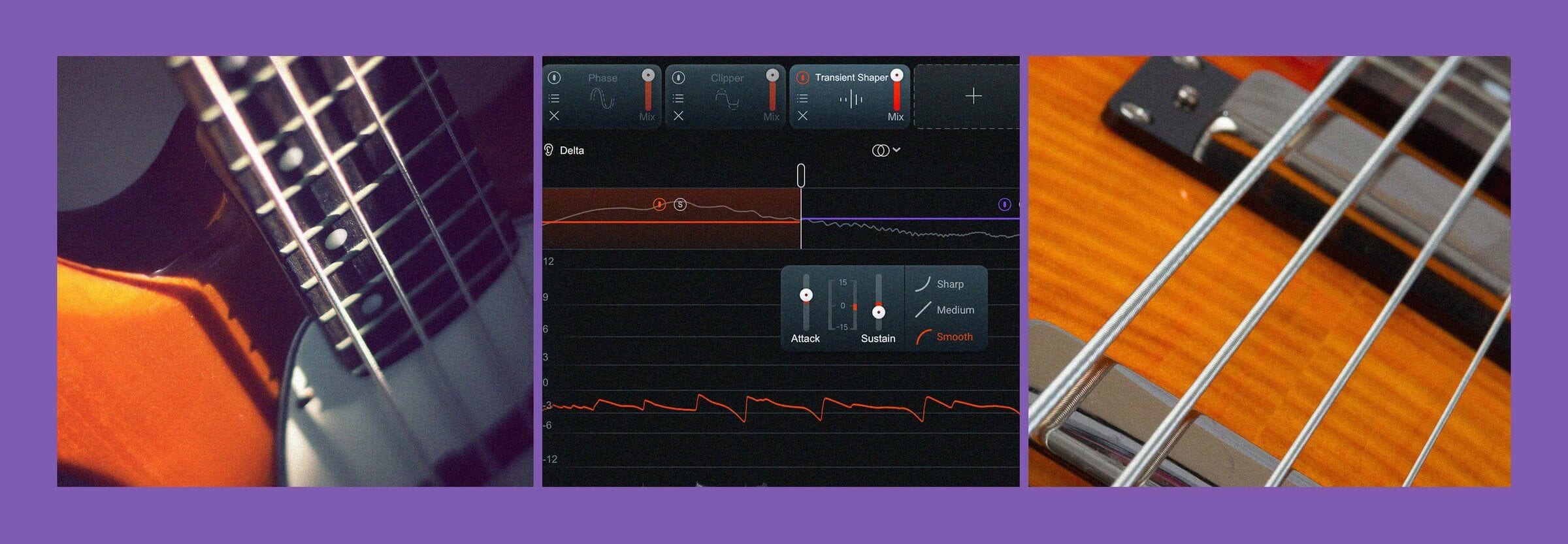
When it comes to mixing, getting your low end right is crucial to a well-balanced product. Too much bass can swallow up the mix, and too little can leave...
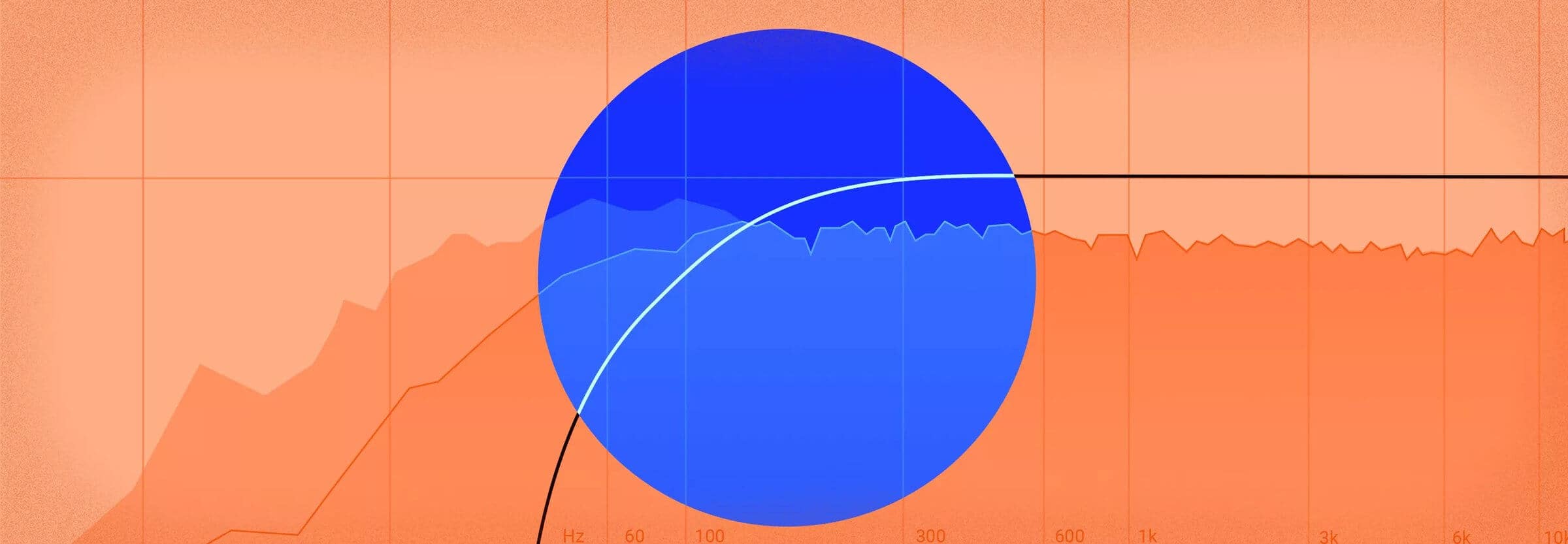
A high-pass filter is an EQ curve used to remove low-frequency sounds from an audio signal. We call it a high-pass filter because it allows...

You’re at square one, staring at a session of unmixed tracks. There’s much to do, from gain staging and unmasking the kick and bass, all the way to...

As engineers, we all want a polished vocal sound. But more than any other instrument, vocals cannot be reduced or described by a cheatsheet. Specific EQ...
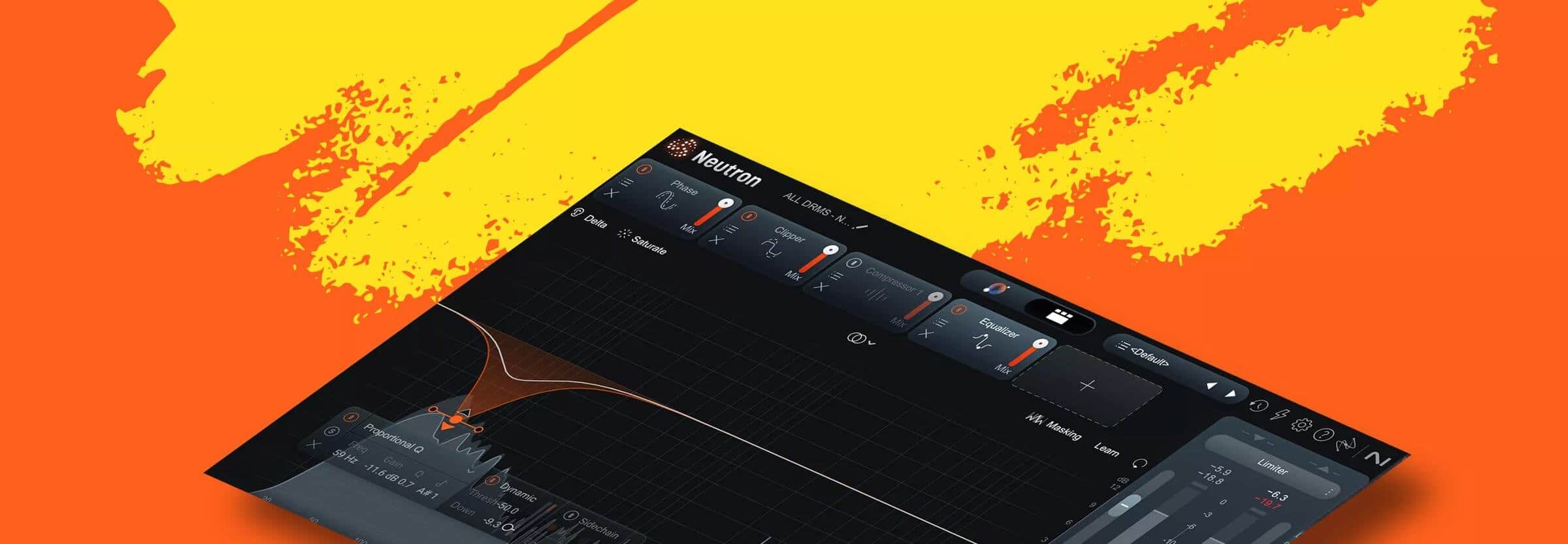
EQ is a tricky thing in mixing – especially when you consider how music changes over time. A cut to tame harsh vocal frequencies might work for one...

Compression is one of the hardest things to hear when you first start mixing. But, there are so many ways to use compression that can make your mix have more...
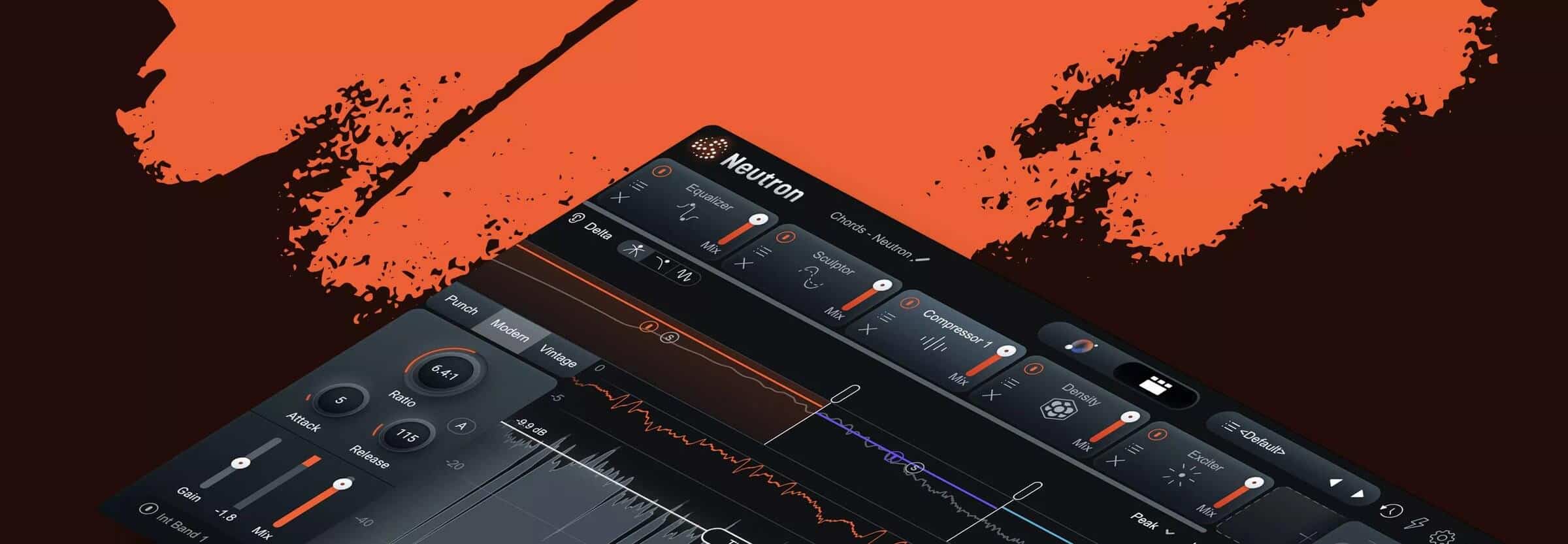
If you're a mixing engineer or music producer, then you've probably been bitten by the compression bug. Slamming that audio is a surefire way to give...

"How long does it take to mix a song?" Well, it depends on the number of tracks, the genre, and a bunch of other factors. A better question to ask is "how...
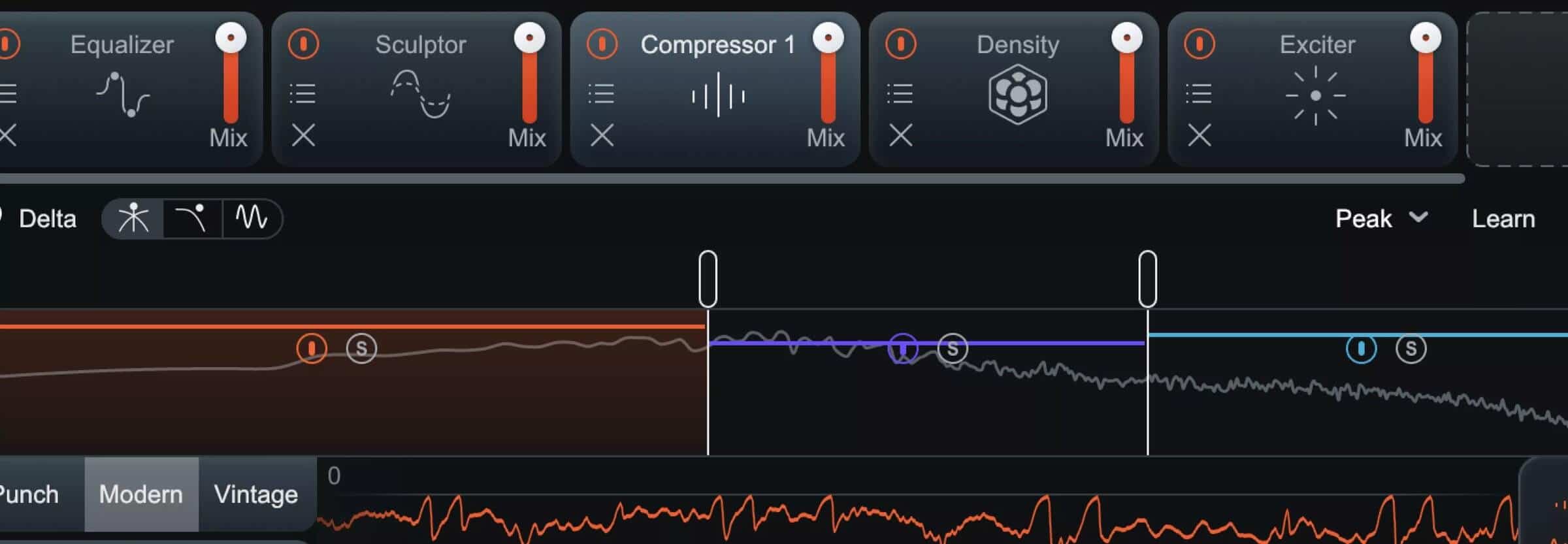
When many engineers say "compression,” what they mean is “downward compression.” In other words, reducing the level of the signal...
