

Good on Everything: Using Vinyl on Multiple Genres
I’ll never forget Vinyl —my first iZotope plug-in, when I was but a wee engineer. It was perfect for sound design, because the vinyl sound...


I’ll never forget Vinyl —my first iZotope plug-in, when I was but a wee engineer. It was perfect for sound design, because the vinyl sound...
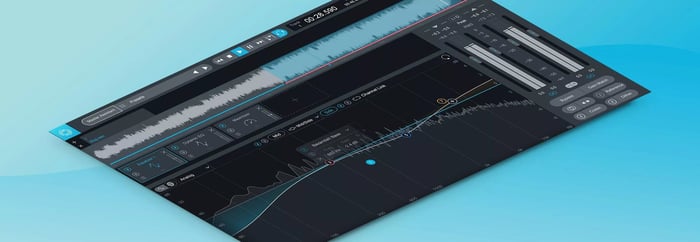
Once upon a time, people spoke of Mid/Side mixing in hushed tones—this was a process left largely to mastering engineers, who had specialized gear...

If you’re anything like me, you find VocalSynth 2 deceptively intimidating: the GUI looks perfectly easy to grasp, but once you get going, you find...
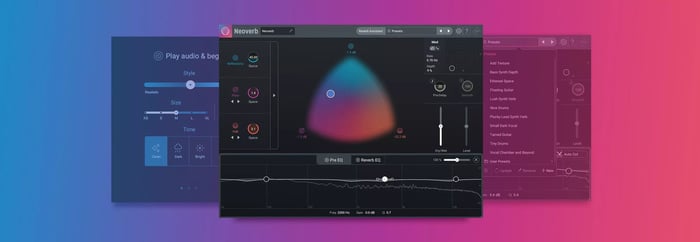
Recently, iZotope joined forces with Exponential Audio, and the partnership has produced industry-first reverb innovations. Dialogue Match made use of...

Recently, iZotope released a reverb plug-in called Neoverb. To celebrate, we’re offering some tutorials to help you use reverb in a variety of...

Post-production sound design is a magical, yet invisible process: when it’s done right, no one really notices you’ve done anything at all. But anyone who...

RX is here, and with it of course come several new modules. Spectral Recovery, Guitar De-noise, and Wow & Flutter are all new tools. In this...

VoIP—for years, the bane of engineers who work on podcasts and in broadcasting. Voice over Internet Protocol, or “VoIP” for short, is the...
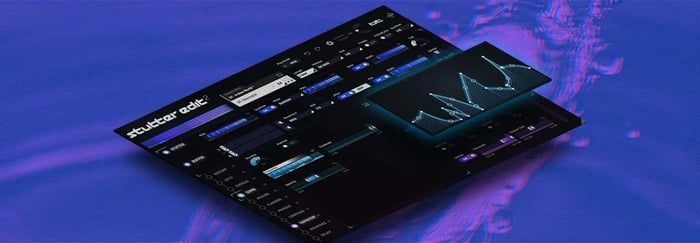
Rejoice ye fans of glitchy goodness: iZotope released an update to Stutter Edit, the comprehensive sound-design powerhouse! But with its namesake...

Stutter Edit 2 excels both in mixing and in sound design. In this article, we’re going to focus more on the latter—specifically when it...

So much of what we do is quantified in decibels—e.g. “Bring up that vocal a dB or so.” If we notch out a frequency, we talk about that...

Mixing a short film can be daunting for the novice engineer. Consider this article your step-by-step guide, and refer to it whenever you need to figure out...
